
Understand Your Taxes Without Getting Lost in the Jargon
Learn how filing, withholding, refunds, deductions, credits, and common tax documents work so you can approach tax season with more clarity and fewer surprises.
Beginner-friendly U.S. tax education designed to help you understand the system before you make filing decisions.
What Do You Need Help Understanding First?
Taxes become easier to navigate when you break them into smaller decisions. Start with the area that best matches what you are trying to understand or prepare for right now.
Understand How Tax Filing Works
Learn what a tax return is, what information gets reported, and how income, withholding, and filing status fit together.
Learn the filing basics →Understand Your Tax Forms
Learn what common forms such as the W-2 and 1099 report and why they matter when you prepare your tax return.
Understand common tax forms →Understand Deductions and Credits
See how deductions and tax credits work differently and why both can affect the amount of tax you ultimately owe.
Compare deductions and credits →Prepare for Tax Season
Organize your documents, review withholding, and build a simple filing checklist before deadlines become stressful.
Explore tax preparation tools →Understand the Tax Concepts That Show Up Most Often
You do not need to master the entire tax code. Start with the terms that directly affect your tax return, paycheck, refund, and filing process.
Tax Return
A tax return reports relevant income, deductions, credits, payments, and other information used to calculate your tax liability for the year.
Filing Status
Your filing status helps determine which tax rules, standard deduction amounts, and tax brackets apply to your return.
Taxable Income
Taxable income is generally the portion of income that remains after applicable adjustments and deductions are taken into account.
Withholding
Withholding is money taken from certain payments, such as wages, and sent toward your expected tax obligation during the year.
Tax Refund
A refund may result when eligible payments and credits exceed the amount ultimately owed on your tax return.
W-2 and 1099 Forms
These information forms report certain types of income and tax-related information that may need to be included when preparing your return.
Filing Is Largely About Reconciling What Happened During the Year
Your income, withholding, deductions, credits, filing status, and other tax information come together on the return to determine whether additional tax is due or whether you may receive a refund.
They Can Both Lower Taxes — But They Work Differently
Tax deductions generally reduce the amount of income subject to tax, while tax credits generally reduce tax more directly. Understanding that distinction makes many tax conversations much easier to follow.
Reduces Income Used in the Tax Calculation
A deduction generally lowers taxable income rather than reducing tax dollar for dollar.
If an eligible deduction lowers taxable income, the actual tax savings depend on the tax rate that applies to that income.
- ✓ Can reduce taxable income
- ✓ The tax benefit can vary by taxpayer
- ✓ May involve the standard deduction or itemized deductions
Reduces Tax More Directly
A tax credit generally reduces the amount of tax calculated, subject to the rules and limitations of that specific credit.
A qualifying $500 credit can generally reduce tax by up to $500, depending on whether the credit is refundable, nonrefundable, or otherwise limited.
- ✓ Applied after tax is calculated
- ✓ Can have eligibility and income limits
- ✓ Refundable and nonrefundable credits work differently
The Difference in One View
Eligibility, income limits, phaseouts, refundability, and other rules vary by deduction and credit. Always check the requirements for the specific tax year and tax benefit you are considering.
Want a deeper beginner-friendly explanation?
Read Tax Deductions vs. Tax Credits →Organize Your Tax Information Before You File
Use these practical resources to organize documents, review withholding, track tax-related information, and prepare for tax season with fewer last-minute surprises.
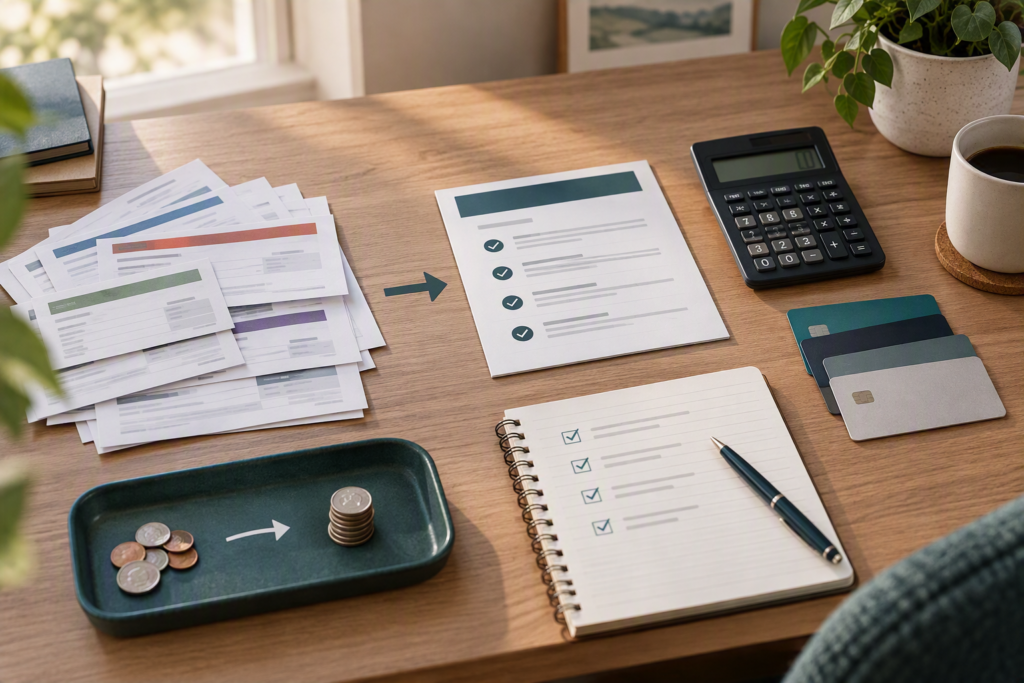
Tax Season Preparation Checklist
Build a simple pre-filing checklist for income forms, identification information, account records, deductible expenses, credits, and other documents you may need.
Tax Document Organizer
Keep track of the tax forms and supporting records you receive throughout the year so you know what has arrived and what may still be missing.
Withholding Review Worksheet
Review changes in income, jobs, household circumstances, and previous filing results that may signal it is time to revisit your withholding.
Tax-Deductible Expense Tracker
Record potentially tax-relevant expenses throughout the year so they are easier to review when filing time arrives.
These Tools Help You Organize — They Do Not Determine Your Tax Liability
Tax rules, eligibility requirements, deductions, credits, filing obligations, and withholding needs depend on individual circumstances and the applicable tax year. Verify current rules with official IRS guidance or a qualified tax professional when needed.
Understand the Rules Before You Use the Numbers
The tools are most useful when you understand the concepts behind them. Continue with the Verestly tax guides for beginner-friendly explanations of filing, deductions, credits, withholding, and common tax forms.
Make Tax Season Easier by Getting Organized Early
Filing becomes much easier when your documents, income records, personal information, and potential tax benefits are organized before you start preparing your return.
Update Your Personal Information
Confirm names, Social Security information, addresses, dependent information, bank details, and other basic records that may be needed when preparing your return.
Focus: accurate information before entering tax numbers.Gather Your Income Documents
Collect the forms and records that report your income, including applicable W-2s, 1099s, interest statements, and other income documentation.
Use the Tax Document Organizer →Organize Potential Deductions and Credits
Gather records related to tax benefits you may qualify for and confirm the requirements before including them on your return.
Review Deductions vs. Credits →Review What Changed During the Year
Consider whether you changed jobs, added income sources, moved, married, had a child, started self-employment, or experienced another change that may affect your return.
Focus: major life and income changes can change filing needs.Decide How You Will Prepare Your Return
Determine whether your situation is appropriate for self-preparation software, an IRS-supported filing option, or assistance from a qualified tax professional.
Choose based on complexity, not simply on price.Review Everything Before Filing
Check names, identification numbers, income forms, banking information, deductions, credits, and other entries before submitting the return.
Use the Tax Season Checklist →Keep copies of your filed return and supporting records in a secure place. Good recordkeeping can make future filings, corrections, and tax questions much easier to handle.
Learn Taxes One Concept at a Time
Start with the fundamentals, then build your understanding of filing, income reporting, withholding, deductions, credits, and tax preparation.
Tax Guides for Beginners



Make Taxes Easier by Managing Them Throughout the Year
Tax preparation should not begin only when filing season arrives. A few simple habits during the year can make your records clearer, your withholding easier to review, and filing less stressful.
Understand How Your Income Is Taxed and Reported
Know which income sources you receive, how they are reported, and whether taxes are being withheld during the year.
Review Tax Basics →Keep Tax Documents Organized as They Arrive
Store income forms, receipts, statements, and other tax-related records in one secure place instead of rebuilding everything during filing season.
Explore Tax Organization Tools →Review Withholding After Major Changes
A job change, new income source, marriage, divorce, dependent change, or other major event may be a good reason to review your withholding.
Focus: avoid discovering a major mismatch only when you file.Track Potentially Relevant Expenses and Tax Benefits
Keep records for expenses, contributions, or other items that may matter for deductions or credits, and verify eligibility before filing.
Review Deductions vs. Credits →Get Ready Before Filing Season Starts
Check that expected forms have arrived, review major changes, organize supporting records, and decide how you plan to prepare your return.
Follow the Tax Season Preparation Guide →Use This Year to Make Next Year Easier
After filing, review what caused confusion, missing records, unexpected tax due, or an unusually large refund and improve your system for the following year.
Continue Learning About Taxes →Tax rules and thresholds can change from year to year. Use current IRS guidance for the tax year you are working on and seek qualified professional assistance when your situation requires individualized advice.
Make Tax Season Easier by Starting Before You Need To
Start with one practical step: organize your records, review your withholding, understand a tax concept you are unsure about, or prepare your filing checklist before deadlines get close.