TAXES · TAX FILING GUIDE
Tax Documents Checklist: What to Gather Before You File
Organize the personal information, income forms, tax records, and supporting documents that apply to your situation before you start preparing your federal tax return.
QUICK ANSWER
The Short Answer
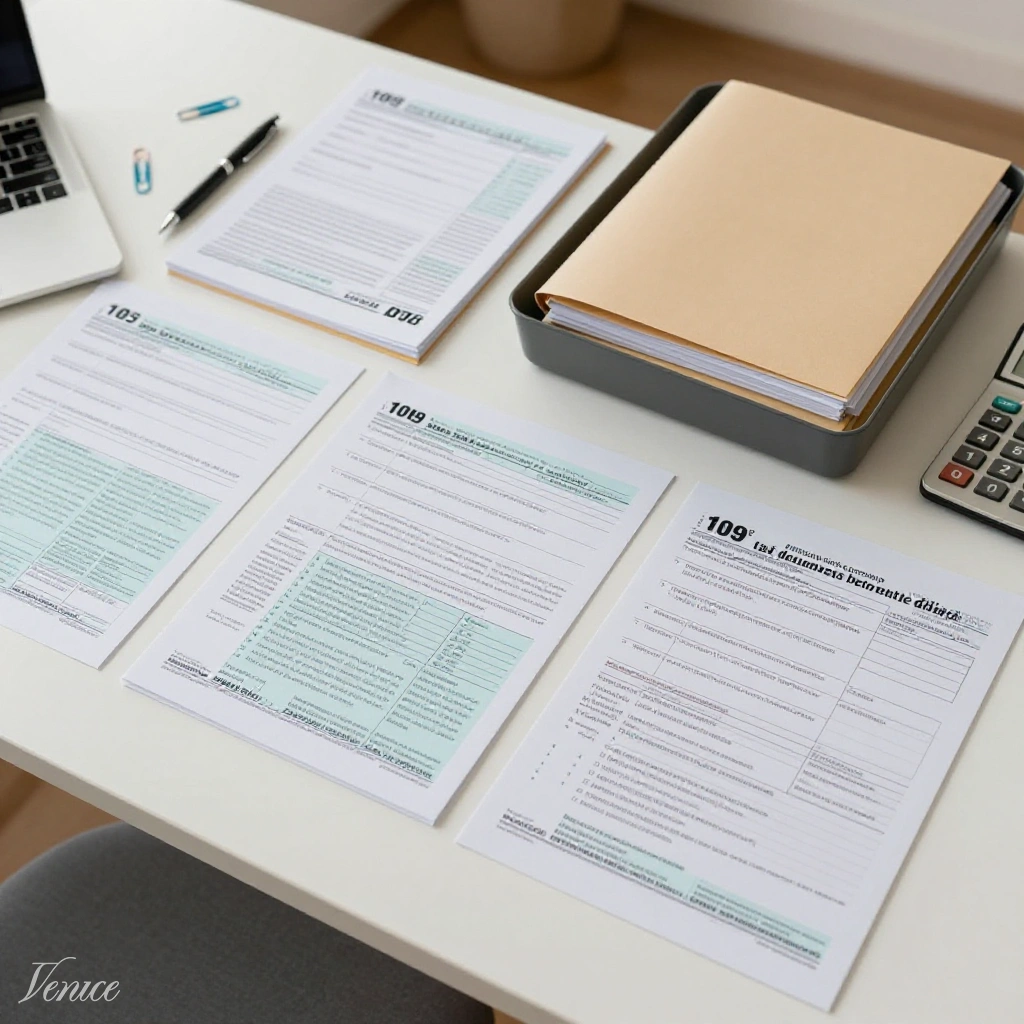
Before you file, gather the documents that match what happened in your financial life during the tax year. That usually means personal information, income forms, records that may support deductions or credits, self-employment records if applicable, and proof of tax payments you made.
What You'll Gather
- ✓ Personal and identity information for everyone included on the return.
- ✓ W-2s, 1099s, and other income statements that apply to you.
- ✓ Records that may support deductions, credits, or other tax items.
- ✓ Self-employment records and tax-payment confirmations, when relevant.
WHY THIS MATTERS
Why Gathering Your Tax Documents Before Filing Matters
Starting your return before you have the documents that apply to your situation can make it easier to overlook income, enter incomplete information, or miss records you need to verify a tax item.
Your tax return may draw information from several places: employers, banks, investment accounts, government agencies, payment platforms, and records you keep yourself.
Gathering those documents first gives you a chance to compare what you received with what actually happened during the tax year. That can help you notice a missing W-2, an expected 1099, a corrected form, or a payment record that still needs to be verified.
It also helps separate tax forms you receive from supporting records you maintain yourself, such as receipts, contribution records, mileage logs, or payment confirmations that may be relevant to your return.
KEY IDEA
You do not need every tax document that exists. You need the forms and records that match your financial activity during the tax year.
STEP-BY-STEP METHOD
How to Gather Your Tax Documents Before You File
Work through your tax records by category instead of collecting paperwork at random. The goal is to match your documents to what actually happened during the tax year and identify anything that may still be missing.
STEP 1
Gather Personal and Identity Information
Start with the information needed to identify the people included on the return. Depending on your situation, this can include Social Security numbers or ITINs, your current legal name and address, and information for a spouse or dependents.
Also gather your Identity Protection PIN if the IRS issued one to you, prior-return information required by your filing method, and bank information if you plan to use direct deposit or electronic payment.
PRACTICAL TIP
Check names and taxpayer identification information before you begin entering forms. A small mismatch can create problems later in the filing process.
STEP 2
Collect W-2s, 1099s, and Other Income Forms
Next, gather the forms that report income you received during the tax year. The exact forms depend on where your income came from.
- Form W-2 from employers
- Form 1099-INT for interest
- Form 1099-DIV for dividends
- Form 1099-NEC for certain nonemployee compensation
- Form 1099-R for certain retirement distributions
- Other income statements that apply to your situation
STEP 3
Check Banks, Investments, Retirement Accounts, and Other Sources
Do not stop after checking your employer paperwork. Review the financial accounts and other sources that may have generated taxable or reportable activity during the year.
If you had digital-asset transactions or other activity that is not fully reflected on an information return, keep the underlying transaction records needed to prepare your return.
STEP 4
Gather Records That May Support Deductions or Credits
Some deductions and credits depend on expenses, contributions, family circumstances, education costs, homeownership, or other qualifying facts. Gather the records that may be relevant to the tax benefits you plan to evaluate.
- Dependent-care records
- Mortgage-interest or property-tax records
- Charitable-contribution records
- Education-related documents
- Retirement-contribution information
- Healthcare-related records when applicable
STEP 5
Add Self-Employment Records and Tax Payments
If you earned money from freelancing, contract work, gig work, or another business activity, your own records can be just as important as the forms you receive.
- Invoices and payment records
- Payment-platform statements
- Business expense receipts
- Mileage or vehicle-use records when relevant
- Estimated federal tax payment confirmations
IMPORTANT
Do not assume a missing 1099 means income can be ignored. Your own records may be needed to determine the income and expenses that must be reported.
STEP 6
Check for Missing, Corrected, or Incomplete Documents
Before preparing the return, compare the documents you have with your financial activity during the year. The goal is to identify forms or records you expected but have not yet received.
- Did you account for every employer?
- Did you review each bank and investment account?
- Are any corrected forms still expected?
- Did you verify estimated tax payments you made?
If something appears missing or incorrect, check the issuer's online account or contact the payer before assuming your document set is complete.
REAL-LIFE EXAMPLE
What a Complete Tax Document Folder Can Look Like
A practical way to check whether your records are complete is to compare the documents you have with the financial activity that actually occurred during the tax year.
EXAMPLE SCENARIO
Jordan Had a Job, Bank Interest, and Freelance Income
During the tax year, Jordan worked for one employer, earned interest from a savings account, completed a few freelance projects, made estimated federal tax payments, and kept records of business expenses.
| Activity | Records to check |
|---|---|
| Employment | Form W-2 |
| Bank interest | Interest statement / Form 1099-INT, if issued |
| Freelance income | 1099 forms, invoices, and payment records |
| Business expenses | Receipts and supporting records |
| Estimated taxes | Payment confirmations |
| Personal information | Identification and filing details |
| Documents accounted for | Matched to activity |
| Final check | Missing or corrected forms? |
WHAT THIS SHOWS
Jordan Uses Financial Activity to Check the Paperwork
Jordan does not simply wait for a pile of tax forms and assume it is complete. Instead, each major financial activity is matched to an expected form, statement, or supporting record.
This also helps separate documents supplied by employers, financial institutions, or payers from records Jordan is responsible for maintaining, such as invoices, receipts, and estimated-tax payment confirmations.
SIMPLE CHECK
THE TAKEAWAY
A complete tax folder is built by matching your documents to what actually happened during the tax year, not by trying to collect every tax form that exists.
This example is illustrative. The forms and records you need depend on your own income sources, expenses, accounts, tax payments, and other circumstances.
ADAPT THE CHECKLIST
What Changes If Your Tax Situation Is Different?
The core document-gathering process stays the same, but the forms and supporting records you need can vary depending on your income, accounts, health coverage, and the tax items you plan to report.
MULTIPLE INCOME SOURCES
If You Had More Than One Job or Type of Income
Review each employer, payer, bank, investment account, or other income source separately. The goal is to make sure each source of income has a corresponding form, statement, or supporting record where applicable.
SELF-EMPLOYMENT
If You Freelanced, Contracted, or Did Gig Work
Do not rely only on tax forms you receive. Your own invoices, payment records, receipts, mileage logs, expense documentation, and estimated-tax payment records may also be needed to prepare an accurate return.
DEDUCTIONS OR CREDITS
If You Expect to Claim a Deduction or Credit
Gather the documents and records connected to the tax benefit you plan to evaluate. Depending on the item, that may include receipts, statements, contribution records, education documents, childcare records, or other supporting information.
MARKETPLACE COVERAGE
If You Had Health Insurance Through the Marketplace
Check whether you should receive Form 1095-A before filing. Information from that form may be needed when reconciling advance Premium Tax Credit payments or determining the credit available for the year.
NOT SURE WHICH RECORDS APPLY?
Start by listing what happened during your tax year: where income came from, which accounts you used, whether you made tax payments, and which deductions or credits you plan to evaluate. Then match each activity to the documents or records you expect to have.
PRACTICAL VERESTLY RESOURCE
Build One Tax Folder Before You Start Filing
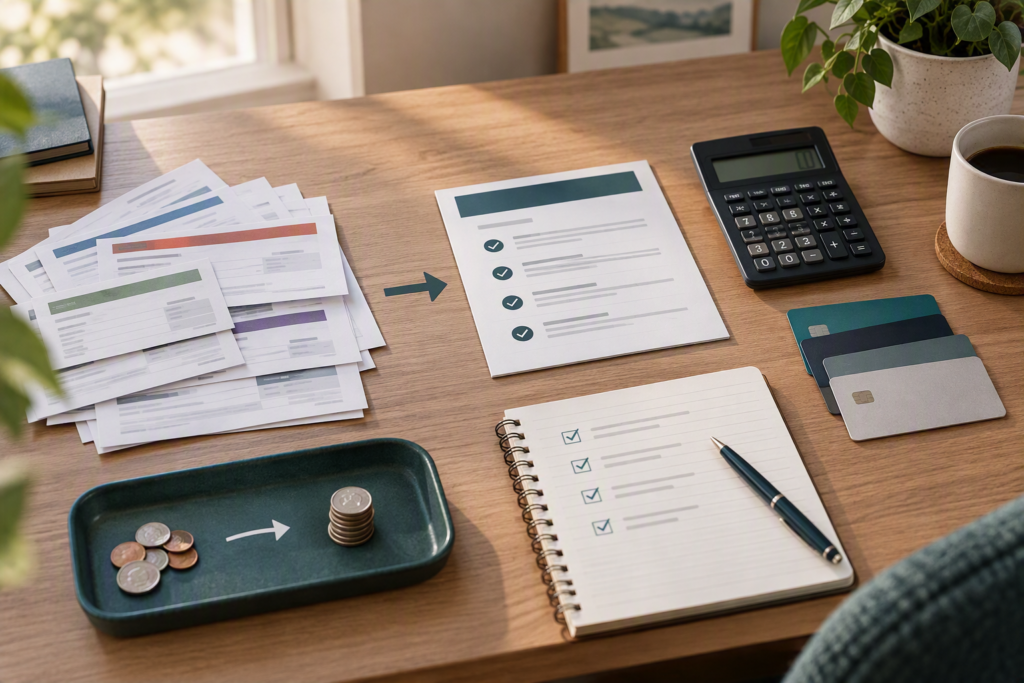
Use the checklist in this guide to organize the forms and supporting records that match your tax year. Keeping everything in one place makes it easier to spot missing documents before you begin preparing your return.
- ✓ Keep personal and identity information together.
- ✓ Group W-2s, 1099s, and other income records by source.
- ✓ Separate supporting records for deductions, credits, self-employment, and tax payments.
Beginner-friendly · Organized by tax activity · No account required
TAX FOLDER
Before Filing
Checklist preview
HAVE FREELANCE OR GIG INCOME?
Keep business income, expense records, mileage documentation, and estimated-tax payments in a separate section of your tax folder.
TAKE ACTION
Your Tax Document Action Plan
You do not need to organize every possible tax form. Start with your own financial activity, gather the records that match it, and verify anything that appears missing or incomplete before you file.
TODAY
15–20 minutes
Make a List of Your Tax-Year Activity
Write down the employers, banks, investment accounts, payers, business activity, tax payments, and other financial events that may affect your return.
- List every employer you had during the year.
- Review banks, investments, retirement accounts, and other income sources.
- Note any freelance, contract, or gig work.
- Identify tax payments and tax benefits you plan to evaluate.
THIS WEEK
Build your tax folder
Match Each Activity to Its Documents
Organize the forms and supporting records that correspond to what happened during the year. Keep documents from third parties separate from records you maintain yourself.
- Group W-2s, 1099s, and other income statements.
- Add records that may support deductions or credits.
- Keep self-employment income and expense records together.
- Add estimated-tax and other relevant payment confirmations.
BEFORE YOU FILE
Verify and reconcile
Check for Missing or Incorrect Documents
Compare the documents in your folder with the financial activity you listed. Investigate anything that appears missing, duplicated, corrected, or inconsistent with your own records.
- Confirm that every employer and major income source is accounted for.
- Check whether any corrected forms are still expected.
- Verify estimated-tax payments and other relevant payment records.
- Review key names, taxpayer information, amounts, and tax year.
QUICK CHECK
A Good Tax Document Checklist Should Answer One Simple Question
Can you connect the major financial activity from your tax year to the forms or supporting records you expect to use when preparing your return?
COMMON MISTAKES
Tax Document Mistakes That Can Cause Filing Problems
Most document-gathering problems come from filing too early, relying only on forms you receive, or assuming that every record has already been accounted for.
MISTAKE
Filing Before All Expected Documents Arrive
Starting too early can make it easier to overlook a W-2, 1099, corrected form, or other document that you were still expecting from an employer, payer, or financial institution.
BETTER APPROACH
Compare the forms you have with your actual tax-year activity before deciding that your document set is complete.
MISTAKE
Assuming No Tax Form Means No Income to Report
Not every source of income will necessarily be reflected on a tax form you receive. This can be especially important for freelance, contract, gig, or other self-employment activity.
BETTER APPROACH
Use your own invoices, payment records, bank activity, and business records to help determine whether income or expenses still need to be accounted for.
MISTAKE
Treating a Receipt as Proof That a Tax Benefit Applies
A receipt, statement, or contribution record may support a tax item, but having documentation does not by itself mean an expense is deductible or that a credit is available.
BETTER APPROACH
Keep the supporting record, then separately verify whether you meet the rules for the deduction, credit, or other tax treatment you plan to claim.
MISTAKE
Ignoring Corrected or Inconsistent Forms
A form marked corrected, a duplicated statement, or an amount that does not match your own records should be reviewed before it is entered into the return.
BETTER APPROACH
Compare the document with your records and contact the issuer when something appears wrong rather than changing the reported amount without understanding the difference.
MISTAKE
Forgetting to Verify Tax Payments You Already Made
Estimated-tax payments and other relevant payments can be overlooked when the focus stays only on income forms and deduction records.
BETTER APPROACH
Keep payment confirmations with your filing records and reconcile the amounts before completing the return.
REMEMBER
A complete filing folder is not defined by how many documents it contains. It is complete when the forms and supporting records reasonably match the financial activity that applies to your tax year.
FREQUENTLY ASKED QUESTIONS
Common Questions About Tax Documents
These questions cover common problems that come up when you are gathering forms and records before filing a federal tax return.
Do I need every tax form on this checklist? +
No. The forms and records you need depend on what happened during your tax year. Someone with wages from one employer may have a much simpler document set than someone with investments, freelance income, Marketplace coverage, or several sources of income.
Use the checklist to identify the categories that apply to you rather than trying to collect every form listed.
What should I do if a W-2 or 1099 is missing? +
First, contact the employer, payer, or issuing organization and ask for the missing or corrected document. You may also be able to review available wage and income information through your IRS Individual Online Account.
Do not assume that an expected document can be ignored simply because you have not received it yet. The appropriate next step can depend on the type of form and your filing deadline.
Do I still need my own records if I received a 1099? +
Often, yes. A 1099 is an information return, but it may not contain every detail needed to prepare your return. This is especially important for self-employment, where your own invoices, receipts, account statements, and other records may be needed to support income and allowable expenses.
Does having a receipt mean an expense is deductible? +
No. A receipt can help substantiate an expense, but it does not by itself determine whether the expense qualifies for a deduction. Eligibility depends on the rules for that particular tax item and on your circumstances.
Do I need to wait for Form 1095-A before filing? +
If you are expecting Form 1095-A because you had coverage through the Health Insurance Marketplace, IRS guidance says you should wait to file until you receive it.
Forms 1095-B and 1095-C are different: taxpayers generally do not need to wait for those forms before filing.
How should I know when my tax document folder is ready? +
Compare your folder with your financial activity for the year. Check employers, banks, investment and retirement accounts, freelance or business activity, tax payments, Marketplace coverage when applicable, and records connected to tax benefits you plan to evaluate.
If the major activity from your tax year can be matched to the forms or supporting records you expect, you have a much stronger basis for beginning tax preparation.
Review the pre-filing action plan →KEEP LEARNING
Continue With the Next Most Useful Tax Guides
Once your documents are organized, these topics help explain what some of the forms and records actually mean when you prepare your return.
Tax Deductions vs. Tax Credits: What Is the Difference?
Learn why deductions and credits affect a tax return differently and why documentation alone does not establish eligibility.
Read the guide →W-2 and 1099 Tax Forms
Go deeper into the forms that commonly report wages, interest, freelance income, distributions, and other types of income.
Explore the form guides →Taxes for Freelancers and Gig Workers
Learn how tax rules apply when you have freelance, contract, gig, or other self-employment income.
Continue to freelancer taxes →WANT THE BIGGER PICTURE?
Return to the main beginner tax guide for the broader framework covering income, withholding, filing, deductions, credits, and other federal income-tax basics.
SOURCES & METHODOLOGY
How We Verified This Guide
Verestly reviewed current IRS guidance on gathering tax documents, maintaining supporting records, Marketplace health coverage forms, and estimated tax payments. Primary government sources were used for the material tax claims in this guide.
LAST REVIEWED
September 22, 2026
This guide was reviewed against current IRS guidance for accuracy, source quality, tax-rule relevance, and clarity for beginner taxpayers.

ABOUT THE AUTHOR
Edvaldo Ribeiro
Edvaldo Ribeiro creates beginner-focused personal-finance education for Verestly, with an emphasis on practical systems, clear explanations, and actionable financial tools.
View author profile →VERESTLY NEWSLETTER
Get Practical Money Guides and Tools
Join Verestly for beginner-friendly financial education, practical systems, new tools, and resources designed to make money topics easier to understand and use.
Free resources · Beginner-friendly · Unsubscribe anytime
RELATED TAX GUIDES
Continue Learning
Explore additional tax guides that help you understand the forms, records, and filing concepts connected to this checklist.