
MONEY BASICS
Money Basics: Build a Strong Financial Foundation
Learn the essential building blocks of personal finance, from understanding your income and expenses to managing cash flow, setting financial goals, and building habits that help you make better money decisions.
WHAT YOU’LL LEARN
The Core Money Concepts Every Beginner Should Understand
Personal finance becomes much easier when you understand a few basic ideas first. These six concepts create the foundation for nearly every financial decision you make.
Income
Understand how much money you actually bring in and why take-home income matters more than gross pay for everyday planning.
Expenses
Learn how fixed, variable, necessary, and discretionary expenses shape your financial decisions each month.
Cash Flow
See how money moves in and out of your life and how positive cash flow gives you room to save, invest, and handle surprises.
Net Worth
Understand the difference between what you own and what you owe, and why net worth is useful for measuring long-term progress.
Financial Goals
Learn how to turn vague money intentions into clear priorities with realistic time frames and measurable next steps.
Financial Stability
Discover what financial stability really means and which habits can make your finances more resilient over time.
START HERE
Start With These Essential Money Basics
If personal finance feels overwhelming, begin with these foundational guides. They are designed to help you understand your money, organize the basics, and decide what to work on first.
01
Personal Finance for Beginners: 10 Simple Steps to Manage Your Money
Get a practical overview of the essential steps involved in organizing your finances, including spending, saving, debt, goals, and the habits that help everything work together.
Read the Beginner Guide →Income, Expenses, and Cash Flow Explained in Plain English
Learn how the three core parts of your monthly financial picture fit together.
Read the guide →How to Calculate Your Net Worth—and Why It Matters
See how your assets and debts combine into one useful measure of financial progress.
Read the guide →Needs vs. Wants: How to Make Better Spending Decisions
Build a clearer framework for separating essential spending from flexible spending.
Read the guide →What Does It Mean to Be Financially Stable?
Understand what financial stability looks like and which signs can show that your foundation is getting stronger.
Read the guide →BUILD YOUR FOUNDATION
A Simple Path to Stronger Finances
You do not need to fix everything at once. A strong financial foundation is built in stages, with each step making the next one easier.
Know Your Financial Starting Point
Start by understanding your income, expenses, debt, savings, and current cash flow.
Create a Simple Money System
Give your money structure by organizing bills, accounts, spending, and recurring financial tasks.
Decide What Matters Most Right Now
Identify the financial problems and goals that deserve attention first instead of trying to do everything at once.
Turn Priorities Into Clear Next Steps
Build realistic short-, medium-, and long-term goals that fit your actual financial situation.
Adjust as Your Financial Life Changes
Review your progress regularly, make small adjustments, and keep your system aligned with your priorities.
You need a clear next step, a system you can maintain, and enough consistency to keep moving forward.
ESSENTIAL GUIDES
Explore More Money Basics Guides
Build your financial knowledge one topic at a time with practical, beginner-friendly guides designed to help you make more confident money decisions.
Learn the concepts that support budgeting, saving, credit, banking, investing, and long-term financial planning.


FREE MONEY TOOLS
Put the Basics Into Practice
Use these free Verestly tools to understand your current financial position, organize your priorities, and turn what you learn into practical next steps.
Simple tools, clear explanations, and no complicated financial jargon.
Financial Goal Prioritizer
Compare competing financial goals and identify which priorities may deserve your attention first.
- Compare multiple goals
- Clarify urgency and importance
- Build a practical starting order
Net Worth Tracker
Organize your assets and debts in one place and track how your financial position changes over time.
- List assets and liabilities
- Calculate net worth
- Track long-term progress
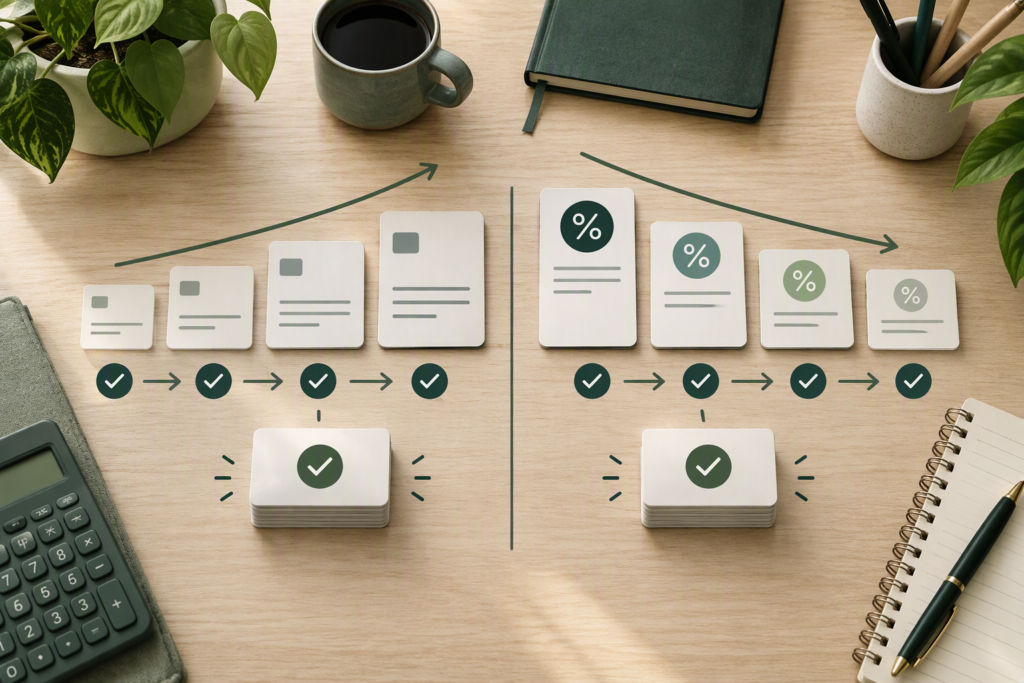
Lifestyle Inflation Calculator
See how increases in spending can absorb higher income and affect your ability to save and build wealth.
- Compare income growth
- Measure spending increases
- Spot lifestyle inflation
Need a Simple Financial Reset?
Use the Financial Reset Worksheet to take inventory of your money, identify immediate priorities, and create a clearer plan for what to do next.
YOUR NEXT STEPS
A Simple Money Action Plan
You do not need to overhaul your entire financial life today. Start with these six steps and build from there.
Know Your Take-Home Income
Start with the amount that actually reaches your bank account after taxes and payroll deductions.
List Your Regular Expenses
Write down your fixed bills, flexible expenses, debt payments, subscriptions, and other recurring costs.
Review Your Cash Flow
Compare what comes in with what goes out so you can see whether you have room to save, pay down debt, or adjust spending.
Calculate Your Net Worth
Add up what you own, subtract what you owe, and use the result as a simple long-term progress marker.
Choose Your Top Financial Priority
Decide what deserves your attention first instead of trying to improve every area of your finances at the same time.
Create a Monthly Money Routine
Set aside a few minutes each month to review your accounts, spending, goals, and next actions.
MONEY BASICS FAQ
Common Questions About Personal Finance Basics
If you are just getting started, these answers can help you understand what matters most and where to focus first.
What are the basics of personal finance?
Personal finance basics include understanding your income, expenses, cash flow, savings, debt, net worth, financial goals, and the systems you use to manage money over time. These concepts form the foundation for budgeting, saving, investing, and other financial decisions.
Where should a beginner start with money?
Start by understanding your take-home income, listing your regular expenses, reviewing your cash flow, and identifying your most important financial priority. You do not need to solve everything at once. A clear starting point is more useful than a complicated plan.
What should I learn first about personal finance?
Learn how income, expenses, and cash flow work together first. Once you understand where your money comes from and where it goes, concepts like budgeting, saving, debt payoff, and financial goals become much easier to manage.
How do I organize my finances?
Keep your system simple. Know which accounts you use, track your recurring bills, maintain a basic spending plan, review your balances regularly, and keep a short list of your current financial priorities. Consistency matters more than creating a perfect system.
What is the difference between cash flow and net worth?
Cash flow measures the money coming in and going out over a period of time. Net worth measures the value of what you own minus what you owe at a specific point in time. Cash flow helps you understand your monthly finances, while net worth helps you track longer-term financial progress.
Do I need a budget before I can improve my finances?
Not necessarily. A budget can be very useful, but the first step is understanding your current financial situation. Once you know your income, expenses, and priorities, you can choose a budgeting system that fits how you actually manage money.
FREE FINANCIAL STARTER KIT
Turn What You Learned Into a Simple Financial System
Get practical worksheets and planning tools designed to help you organize your money, review your priorities, and build a stronger financial foundation one step at a time.
A simple starting system for your money.
EXPLORE YOUR NEXT STEP
Keep Building Your Financial Knowledge
Once you understand the basics, explore the financial topics that matter most to your life. Build practical skills in budgeting, saving, credit, banking, taxes, investing, and retirement.
Build a Budget That Works in Real Life
Learn how to organize income, manage everyday expenses, plan around bills, and build a realistic budget you can actually maintain.
Explore Budgeting → SAVINGBuild Financial Security One Goal at a Time
Learn how to build emergency savings, prepare for irregular expenses, choose savings goals, and make consistent progress without unrealistic expectations.
Explore Saving → CREDIT & CREDIT CARDSUnderstand Credit Before You Rely on It
Understand credit scores, credit reports, credit card interest, responsible borrowing, and practical ways to manage debt and strengthen your credit habits.
Explore Credit → BANKINGMake Your Everyday Banking Work Better
Learn how checking and savings accounts work, compare banking options, understand common fees, and organize your accounts around your financial priorities.
Explore Banking → TAXESUnderstand Taxes Without the Confusion
Learn the basics of income taxes, tax documents, W-2 and 1099 income, deductions, credits, and the concepts that help you prepare for tax season.
Explore Taxes → INVESTINGLearn the Fundamentals Before You Invest
Explore investment accounts, index funds, ETFs, diversification, risk, and the fundamental principles of building long-term wealth.
Explore Investing → RETIREMENTPlan for Your Future With More Confidence
Learn how 401(k) plans, IRAs, employer matching, retirement contributions, and compounding can support your long-term financial goals.
Explore Retirement →Not sure where to go next? Visit Start Here for a guided path through Verestly.